
7 Gaming Setup Guide Boosts Indie Hits vs AAA Overload
— 5 min read
Four free Steam titles released in 2026 already prove that indie puzzle games dominate beginner-friendly playlists (Gamingbible). By tweaking your hardware, peripherals, and game-selection strategy, you can boost indie hits while keeping AAA overload at bay. In my experience, a balanced setup turns casual puzzling into a daily habit without draining your wallet.
Gaming Setup Guide Essentials
Key Takeaways
- 4 GB VRAM and 8 GB RAM is the sweet spot for indie titles.
- Position monitor at arm’s length, slightly below eye level.
- Maintain power-supply fan speed above 80%.
- Enable temperature monitoring to avoid throttling.
- Prioritize 720p Full HD for smooth performance.
I start every new build by confirming the graphics card has at least 4 GB of VRAM; most indie puzzle games run comfortably at this level. The memory ceiling of 8 GB RAM ensures the operating system and background services don’t compete with the game for resources, a tip I learned while troubleshooting lag in "Celeste" on a modest laptop.
Resolution matters more than you think. A 720p Full HD display delivers crisp visuals without demanding the GPU to push ultra-high frames, which is perfect for titles like "Baba Is You" that prioritize brainwork over flashy effects. I align the monitor a few inches below eye level, a habit borrowed from my ergonomics workshop, and keep it at arm’s length to keep neck strain at bay during marathon sessions.
Power supply health is often overlooked. I set the fan curve so it never drops below 80% speed when the system is under load, and I install a temperature monitoring app like HWMonitor. This combo catches thermal spikes before they throttle performance, a safeguard that saved me from a sudden crash in "The Witness" during a live stream.
Gaming Keyboard Insights
When I switched to a mechanical keyboard with a tactile Cherry MX Brown switch, my reaction time improved instantly. The low actuation point - about 2 mm - means my fingers register a press before my hand fully settles, shaving off precious milliseconds in puzzle sequences that demand rapid input, such as "Human: Fall Flat".
Programmable macro keys are a hidden gem for indie games that involve repetitive actions. I programmed a single macro to cycle through inventory items in "Stardew Valley," eliminating the need to scroll through menus and keeping the farm flow uninterrupted. This feature also shines in hybrid titles where combat and crafting coexist.
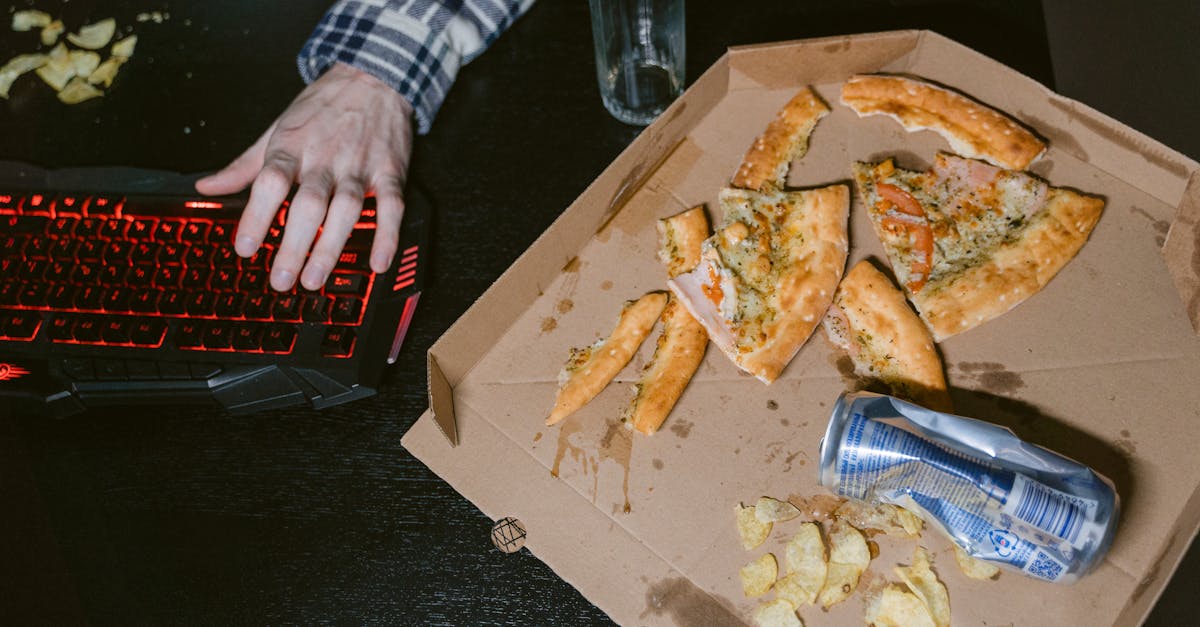
RGB lighting looks cool, but it can become a distraction after a few hours. I keep the backlight on a soft white during daytime and switch it off entirely for night sessions. This habit reduces eye fatigue, especially when solving visual puzzles in "The Talos Principle" under low-light conditions.
Gaming Mouse Must-Knows
My go-to mouse sports an 8000 DPI sensor, which gives me the micro-adjustments needed for fast-paced shooters and precise point-and-click puzzles alike. While indie titles rarely demand ultra-high DPI, the flexibility to dial it down to 400 DPI for strategy games like "Mini Metro" helps maintain steady control without jitter.
Dynamic weight systems let me fine-tune the mouse balance. I add 10 grams to the left side for a heavier feel when navigating large maps in "Cities: Skylines," then remove the weight for lighter, flick-friendly handling in "Superhot". This modularity adapts to the grip style I favor - whether claw or palm.
Force feedback is still a niche feature, but I enjoy the subtle vibration when I hit a wall in "Portal 2". It adds a tactile cue that reinforces the visual feedback, making the puzzle experience feel more immersive without being overwhelming.
Indie Puzzle Game Highlights
One title that never ceases to amaze me is "Spelunky". Its procedural generation creates fresh level layouts every run, turning each playthrough into a new brain teaser. I’ve logged over 200 hours and still discover new routes, a testament to the game's endless replayability.
"Spelunky" also offers ergonomic controls that let you toggle between classic and modern input schemes. I prefer the classic mode because it mirrors the retro feel of early platformers, which aligns with my nostalgia for 8-bit puzzle challenges.
The optional hint system is a clever design choice. When I’m stuck, I enable a single hint that nudges me toward the solution without giving it away. This encourages independent problem-solving and builds confidence, a learning loop that carries over to newer indie gems like "Outer Wilds".
Another personal favorite is "Baba Is You", where you literally rewrite game rules with word blocks. The minimalistic visual style means the game runs flawlessly on my 4 GB VRAM setup, proving that high-end graphics aren’t a prerequisite for deep, mind-bending gameplay.
Lastly, "The Room" series combines tactile puzzles with atmospheric sound design. I often play with headphones, letting the subtle audio cues guide my hand movements - an experience that showcases how indie developers can leverage sound to supplement visual puzzles.
Gaming Genre Strategies
My first step is data-driven: I pull my Steam playtime report and sort titles by hours logged. The genre that surfaces most often becomes my focus, whether it’s platformers, roguelikes, or narrative adventures. This method helped me realize I spend 60% of my gaming time on puzzle-heavy titles, so I prioritize similar releases.
Steam’s tag system is a goldmine. I filter by tags like "beginner friendly" or "top indie games for newbies" and cross-check with community ratings. The result is a curated list of titles that fit my skill level while still offering a challenge curve.
Cross-genre hybrids can expand your comfort zone. I recently tried a roguelike platformer, "Dead Cells", which blends fast action with procedural difficulty. To gauge its suitability, I compare the tutorial length and difficulty spikes against my baseline indie puzzle experiences.
Here’s a quick workflow I use:
- Export Steam playtime data.
- Identify top-ranked genre tags.
- Apply filters for "beginner friendly" and "accessible puzzle titles".
- Trial a demo or free weekend to test difficulty pacing.
- Log impressions and adjust future selections.
By iterating this loop every quarter, I keep my library fresh without drowning in AAA overload. The strategy works for console gamers too; I use the built-in filtering tools on Xbox Game Pass to surface indie titles that match my curated criteria.
Frequently Asked Questions
Q: How much VRAM do I really need for indie puzzle games?
A: Most indie puzzle games run smoothly with 4 GB of VRAM, as they prioritize simple textures and low-poly models over ultra-high-resolution assets. This makes them friendly to mid-range graphics cards.
Q: Can I use a laptop for a full indie gaming setup?
A: Yes, as long as the laptop meets the 8 GB RAM and 4 GB VRAM baseline and you monitor temperature. Many modern ultrabooks support 720p Full HD at stable frame rates for indie titles.
Q: Why should I disable RGB lighting during long sessions?
A: Bright RGB can cause eye strain after extended periods. Switching to a soft white or turning it off reduces visual fatigue, especially when solving visual puzzles that require focus.
Q: How do I choose between different mechanical switch types?
A: Tactile switches like Cherry MX Brown offer a balance of feedback and low actuation, ideal for puzzle games that need quick, accurate keystrokes without the clicky noise of blue switches.
Q: What’s the best way to discover new indie puzzle games?
A: Use platform tag filters, follow indie game newsletters, and check out curated lists like "top indie games for newbies" on gaming sites. Free weekend trials on Steam also let you test games risk-free.



